

TARLAC CITY, Tarlac — “Ito yung trabahong marangal, pero marumi.”
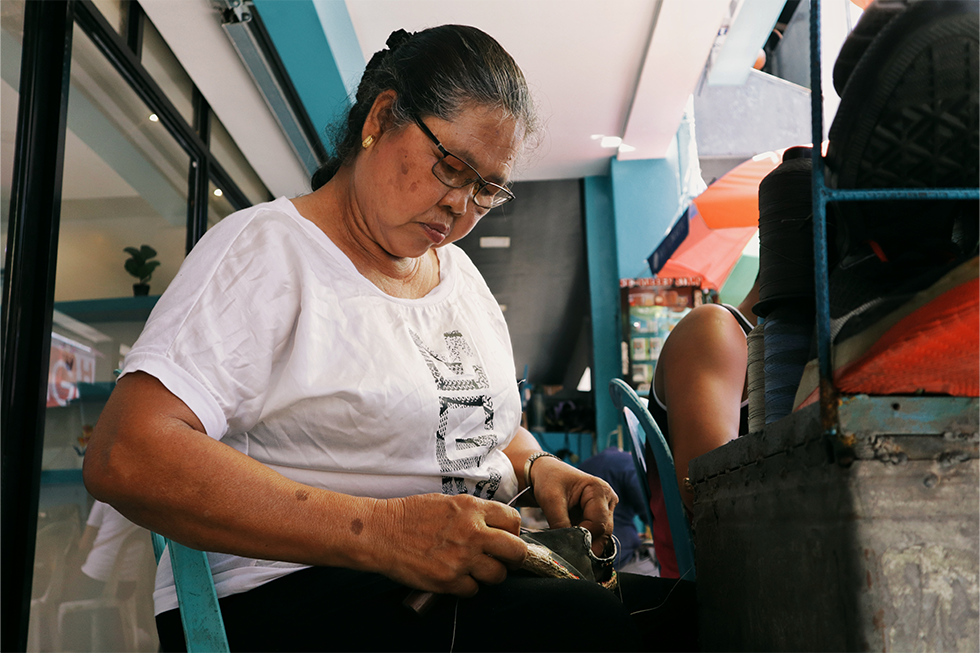
For 65-year-old Lolita Maglaque, these words best describe the life she has dedicated to for more than two decades. As the only female sapatero along F. Tañedo Street in Tarlac City at her age, she continues to repair worn-out shoes, sew peeling soles, and preserve a craft that has long been dominated by men and increasingly challenged by modernization.
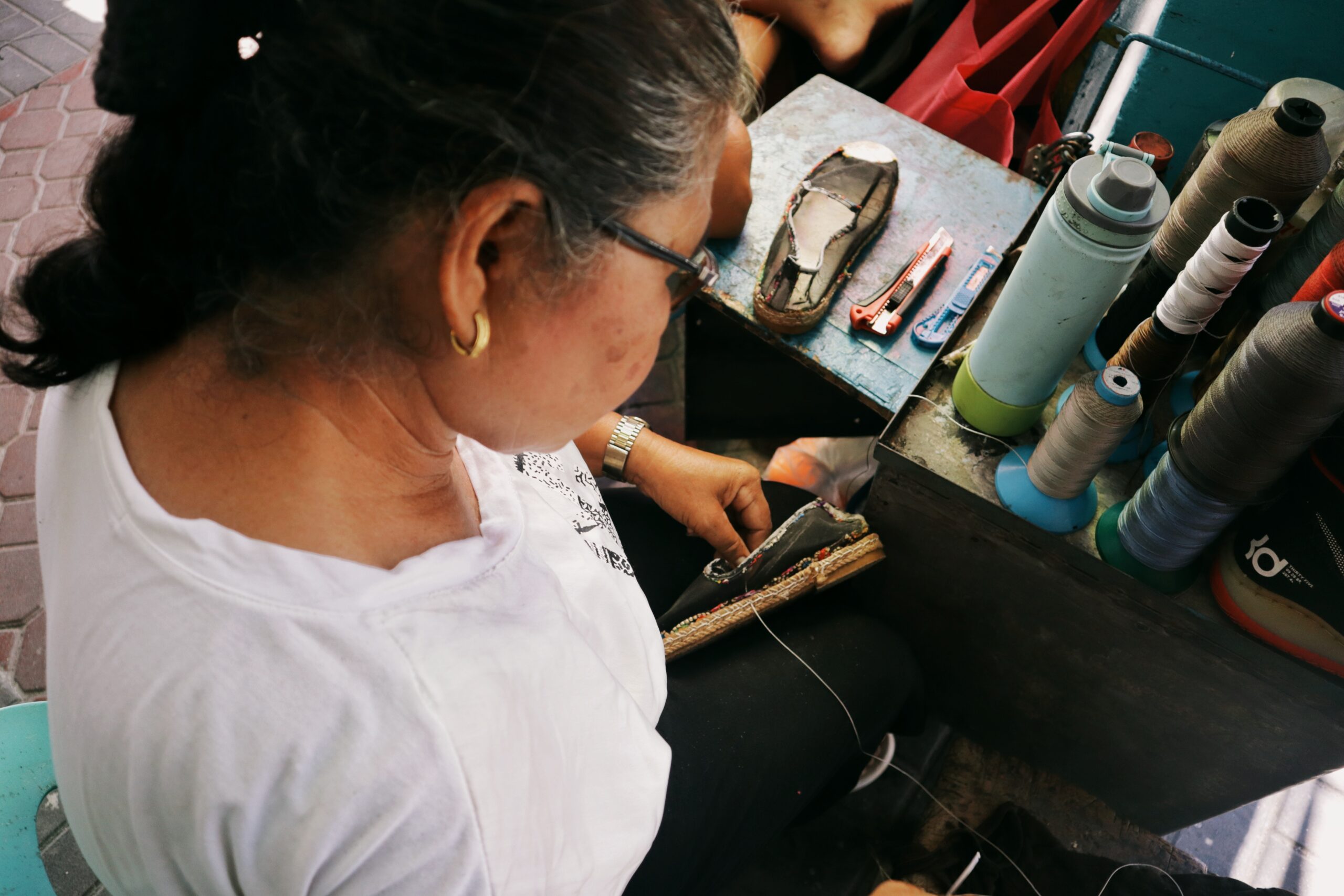
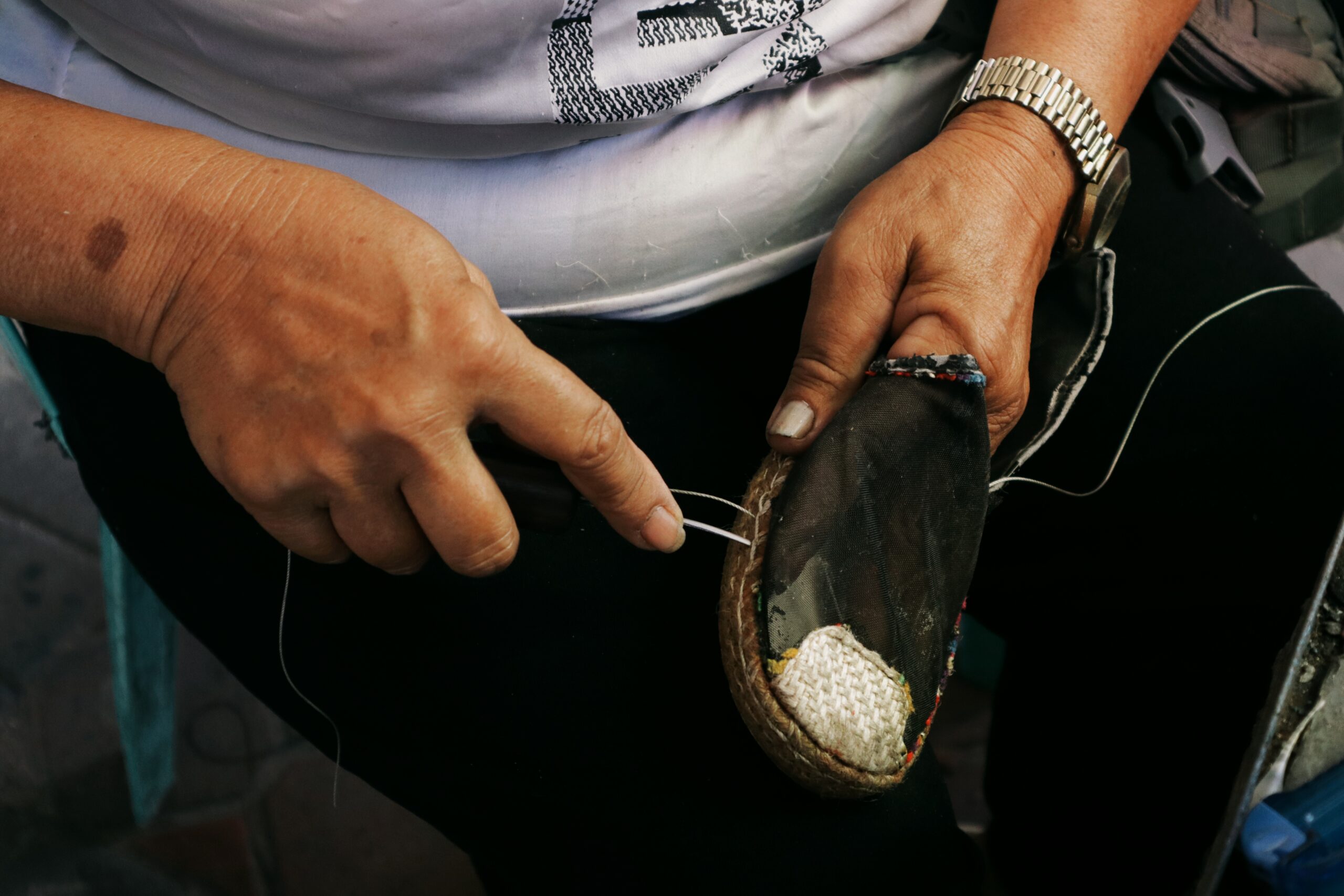
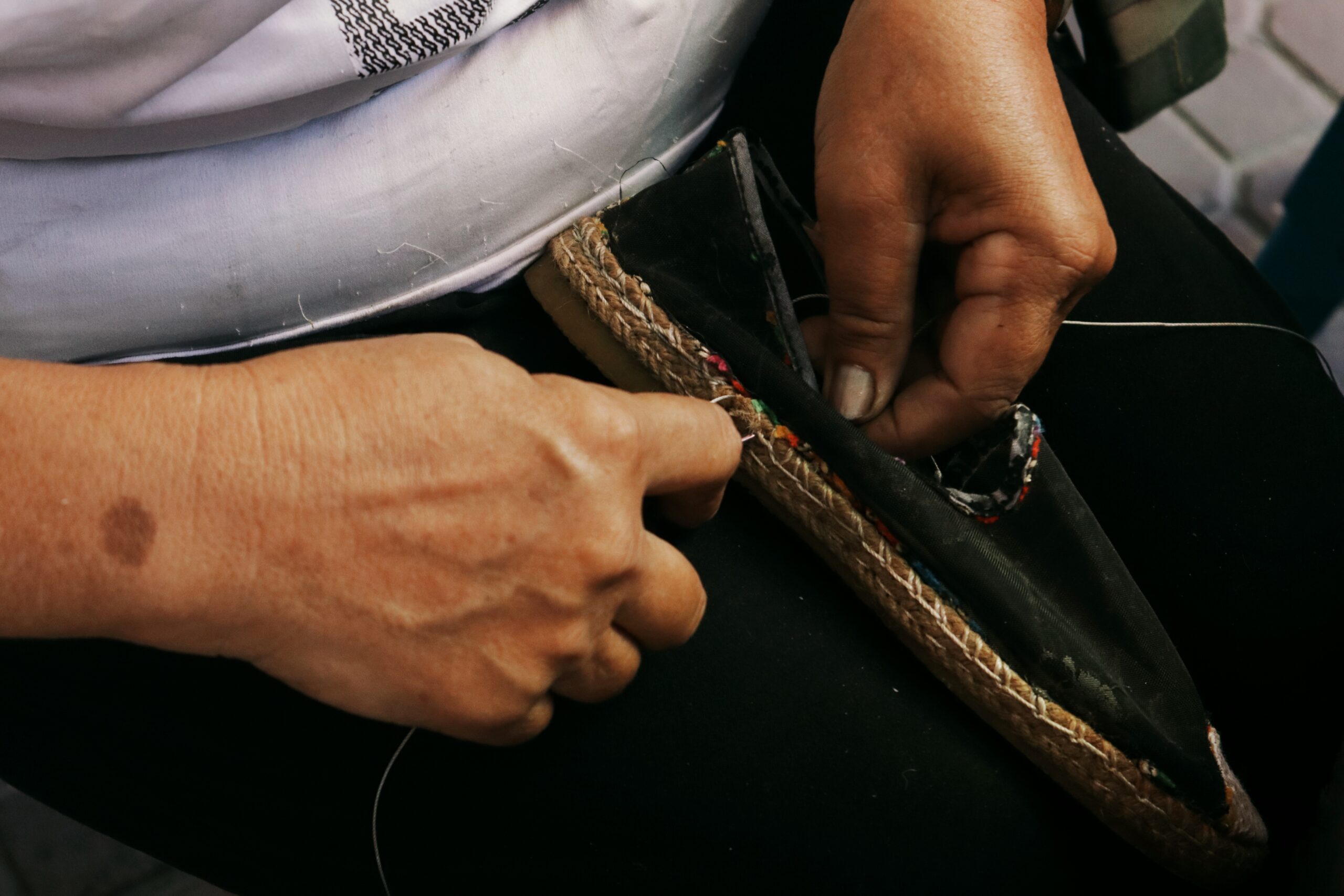
Her work station comprises an assortment of simple tools and pieces of thread, but despite the seeming simplicity, she performs her work using a unique blend of experience and knowledge gained from many years spent doing what she loves.
It is worth noting that she learned how to repair shoes from her now-deceased husband, who had been living and working in Marikina, the Shoe Capital of the Philippines.
What initially started off as a craft learned from her spouse would eventually evolve into a job that Maglaque will carry on after his passing.
Time passed, and Maglaque’s craft had evolved well beyond just being an extra source of money.
“Libangan ko na lang ito, kesa na sa bahay ka nagsusugal,” Maglaque said.
Despite her advanced age, she still reports to work every day, spending hours stitching torn leather and replacing worn-out soles to give broken shoes a new lease on life.
Being a sapatero is no easy feat, especially not for someone at Maglaque’s age and gender. Most days, she would be working with dusty, broken, and dirty materials while sitting through long stretches of time and enduring the heat of the sun. Still, she takes pride in her craft.
Unfortunately, like all traditional crafts, cobbling has also seen the influence of modernization. With cheaper shoes now readily available in the market, fewer people avail themselves of a sapatero’s service.
This is evident in Maglaque’s earnings.
In previous years, when she worked more, she could earn up to P1,000 a day. Currently, having P500 a day is considered satisfactory.
“Hindi na sapat, pero pandagdag sa araw-araw,” she intimated.
Despite the reduced income that is now unable to support all of their financial obligations, she still manages to keep on plying her trade amid the hustle and bustle in the city’s main thoroughfare — she considers this a form of pastime as well as earning a few pesos.
Maglaque is a part of F. Tañedo Street, and her little repair shop is a remnant of a bygone trade. While it recalls a profession that once anchored local communities, it remains just as essential to its customers today.
Even though there are a few sapateros now — and even fewer people interested in learning the trade — Maglaque continues practicing the skill she acquired from her late husband over twenty years ago. With each stitch and repair of a shoe, she not only preserves the profession but also keeps the family heritage alive.
To the lonely old woman sapatero at F. Tañedo Street, every mended pair of footwear is a testimony to her perseverance, showing that despite the fast-moving world we live in, hard work and good craftsmanship will never be obsolete.
