

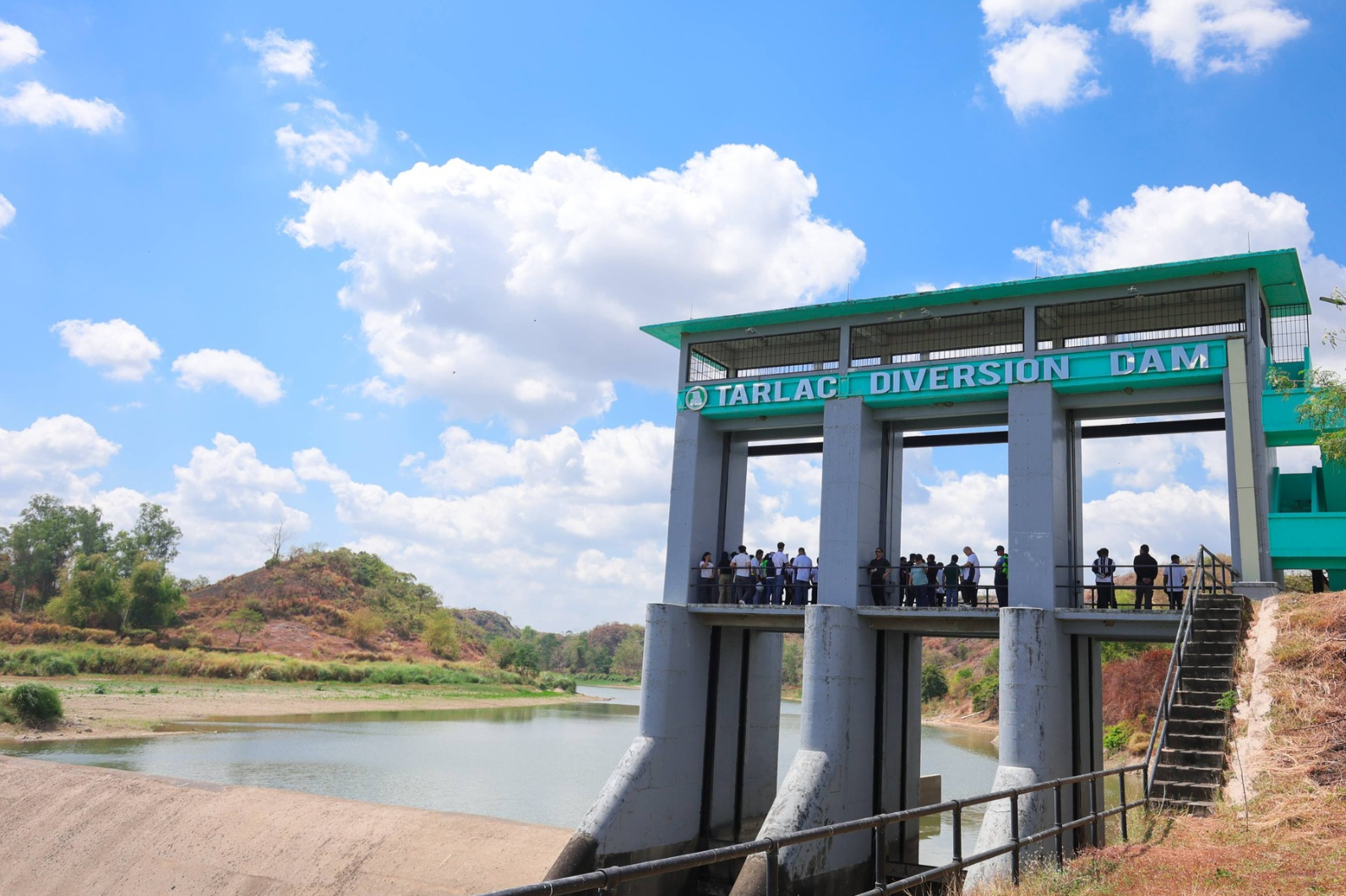
SAN JOSE, Tarlac (March 6, 2026) — The National Irrigation Administration (NIA) is pushing for the full implementation of the Balog-Balog Multipurpose Project (BBMP) Phase II by 2029. The goal is to expand irrigation to more than 34,000 hectares of farmland in Tarlac province.
NIA Administrator Eduardo Guillen explained that Phase I of the project focused on fixing and improving current irrigation systems. These systems only serve 12,475 hectares of farmland. He noted that the water supply from the existing run-of-the-river irrigation is not enough.
“Kaya tayo nagtatayo ng high dam dahil kulang ang tubig ng run-of-the-river lang natin na patubig. Kung may high dam po tayo, kaya niyang magpatubig ng mahigit 30,000 hectares,” Guillen said.
Phase II has a budget of P18 billion. It involves the construction of the Balog-Balog Dam in Barangay Maamot, San Jose, Tarlac. The dam is expected to provide a steady water supply all year round. This would increase cropping opportunities for around 21,000 farmers in the area.
The project is not just for irrigation. Officials said it will also help with flood control, hydropower generation, and tourism in Tarlac.
During a recent study visit organized by NIA, Senate Committee on Finance Chairperson Sherwin Gatchalian stressed the need for enough funding. He said this is important to make sure farmers have a steady income.
“Pangako ko naman na tutulungan ko po ang NIA na masigurong matapos itong project na ito,” Gatchalian said.
Tarlac Governor Christian Yap also welcomed the senator during the visit. In a social media post, Yap said the activity included a safety orientation at the NIA camp site, an inspection of resettlement core houses, and a visit to the Balog-Balog Phase 2 Dam site.
“Ang patuloy na koordinasyon ng pambansa at panlalawigang pamahalaan ay mahalaga upang matiyak ang sapat na suplay ng tubig para sa ating mga magsasaka at ang mas matatag na proteksyon laban sa pagbaha para sa kapakanan ng bawat Tarlaqueño,” Yap said.
Because the dam will be built near communities of Indigenous Peoples (IPs), Gatchalian also highlighted the need to protect their welfare. He encouraged IP members to join the project’s technical working group. This will allow them to voice their concerns about housing, livelihood, and other issues.
Once completed, the Balog-Balog Multipurpose Project is seen to boost agriculture, social development, and tourism in the province.
