

𝑇ℎ𝑖𝑠 𝑖𝑠 𝑝𝑎𝑟𝑡 2 𝑜𝑓 𝑎 𝑠𝑒𝑟𝑖𝑒𝑠 𝑜𝑛 𝑊𝐻𝑂 𝐼𝑆 𝑃𝑌𝑅𝐴 𝐿𝑈𝐶𝐴𝑆? 𝑡ℎ𝑒 𝑖𝑛𝑓𝑎𝑚𝑜𝑢𝑠 𝑣𝑙𝑜𝑔𝑔𝑒𝑟 𝑝𝑜𝑠𝑖𝑛𝑔 𝑎𝑠 𝑎 𝑐𝑟𝑢𝑠𝑎𝑑𝑒𝑟 𝑓𝑜𝑟 𝑔𝑜𝑜𝑑 𝑏𝑢𝑡 𝑒𝑚𝑏𝑟𝑜𝑖𝑙𝑒𝑑 𝑖𝑛 𝑢𝑛𝑠𝑐𝑟𝑢𝑝𝑢𝑙𝑜𝑢𝑠 𝑑𝑒𝑎𝑙𝑖𝑛𝑔𝑠.
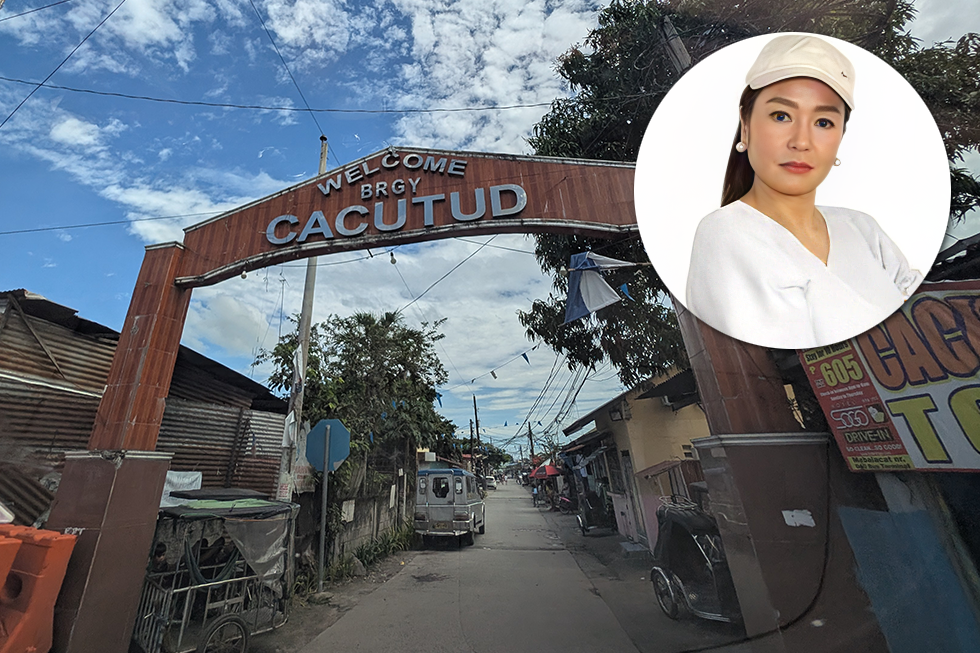
TARLAKENYO (January 15, 2026) — In the quiet neighborhood of Barangay Cacutud, the high rusty gate and fence of a terracotta-colored house stand as a silent witness to a life lived in the shadows. For the residents of this community, the house isn’t just a structure; it is a source of persistent unease.
“Problema ya keti barangay,” one neighbor whispers in Kapampangan, glancing toward the property. It is the registered address of Pyra Lucas—though the house belongs to her mother, Ligaya. While the elderly matriarch is known to be kind, she is frail and rarely seen, leaving the discolored gate to shield the movements of a daughter who has become a focal point for law enforcement visits.
The neighbors speak in hushed tones, their identities shrouded in a palpable fear.
“Ali yu kami babanggitan lagyu uling aliwa yang klasing tau yan,” they warn, making it clear that Pyra is not someone they wish to cross. Curiously, despite the police presence and the paper trail leading to this gate, some locals claim she is a ghost in her own home: “Ali ne pupunta keti yan.”
To Pyra, Barangay Cacutud is less a home and more a strategic outpost—a dead-drop for correspondence and a formal address used to anchor the various documents that fuel her “business.”
FROM THE STREETS OF BALIBAGOI TO THE LIGHTS OF JAPAN
The story of Pyra Lucas began far from the simple house in Cacutud. As a teenager, she walked the neon-lit streets of Balibago in Angeles City. It was there she met Rene Bernabe Pascual—known to politicians as “Sonny,” but to the street-wise as “Pasky.”
According to a source, Pasky, who would later become a local newspaper publisher, acted as a pimp for the young Pyra. They frequented the high-end disco houses of the 1980s and 90s, specifically the Phase 4 Disco at the Century Resort Hotel. In those dimly lit lounges, Pasky served as an “organizer,” connecting powerful figures with young women.
Seeking a different life, or perhaps a more lucrative one, Lucas eventually traveled to Japan. She joined the ranks of the ‘japayuki’—a term synonymous during that era with Filipinas working in the adult entertainment industry.
“Ex-abroad ya. Japan yata,” a local vendor recalls, noting the chapter of her life that seemingly provided the capital for her next venture.
THE SUBIC DECEPTION
Upon her return to the Philippines, Pyra transitioned from the bright lights to the boardroom, partnering with fellow former japayukis in a secondhand car importation business. But the venture was short-lived, allegedly ending in a sophisticated betrayal.
When several imported vehicles were held up at the Subic port due to unpaid customs duties, Pyra reportedly convinced her partners that she had the “connections” to settle the matter. Large sums of money were handed over to her to facilitate the release of the cars.
Weeks turned into months with no progress. Frustrated and desperate, the business partners filed a lawsuit against customs officials, believing they were being extorted. However, the confrontation in court revealed a startling truth.
“Hindi po namin kayo kilala, hindi naman namin kilala yan hindi naman namin nakakausap. Wala naman pong dealing sa amin ang sinasabi ninyong Pyra Lucas,” the customs official testified under oath.
The realization was a bitter pill for her partners: the “dealings” never existed. The money was gone, the cars remained impounded, and the woman from Cacutud had once again slipped back into the shadows of her gated fortress.

