

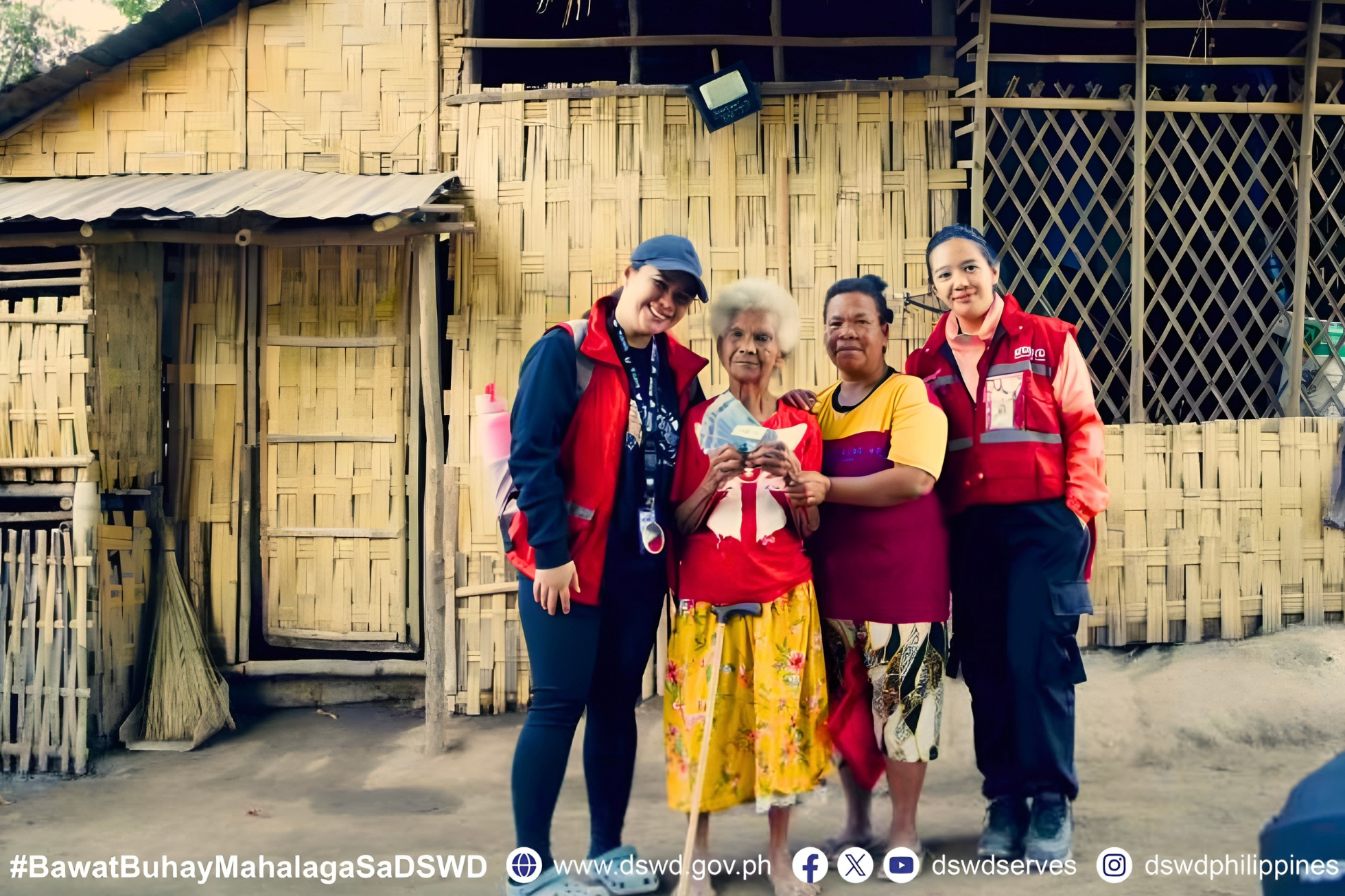
CAPAS, Tarlac (February 10, 2026) – A viral video showing elderly Aeta individuals, reported to be over 100 years old, has sparked public concern and a debate between two government agencies. The video claims these centenarians have not yet received their mandated ₱100,000 cash gift from the government.
Under Republic Act No. 11982, or the Expanded Centenarians Act, all Filipino senior citizens who reach the age of 100 are entitled to receive a ₱100,000 cash gift and a felicitation letter from the President.
The video led to public outcry, questioning why the featured Aetas from Capas, Tarlac, had not received their benefits. This confusion triggered a dispute between the Department of Social Welfare and Development (DSWD) and the National Commission of Senior Citizens (NCSC).
DSWD Secretary Rex Gatchalian criticized the NCSC, which took over the program’s implementation in 2025.
“Hindi kami dapat umabot ng 101, 102, or 103 nang wala silang natatanggap. Dapat by 100, may natanggap na sila,” Gatchalian said.
He argued the DSWD’s previous system proactively identified and rewarded centenarians without requiring an application, and he has requested the program be returned to his department.
In response, NCSC Chairperson Atty. Ma. Merceditas Gutierrez defended the commission’s process, explaining they require an application and endorsement from local offices. She stated they received the necessary documents for the Aetas only recently.
“Kunin mo kung hindi namin [nagagampanan] ang aming tungkulin, e kung napapamahagi naman namin nang maayos, bakit?” Gutierrez said emotionally, noting her agency operates with a small budget and staff.
Both agencies confirm the four Aeta centenarians are qualified for the gift. The DSWD has already provided them with ₱10,000 in immediate cash assistance. The NCSC has committed to releasing the full ₱100,000 to each beneficiary this week, expediting the process despite the recent application submission.
The DSWD has also stated it is working to enhance the program’s implementation through its supervision of the NCSC, ensuring better coordination to prevent future delays.
This incident has highlighted administrative challenges in the transition of a key social program and the critical need for clear communication to ensure the nation’s eldest citizens receive the benefits they are owed by law.
